Introduction to Foraging: Unlock the Secrets of Wild Edibles
The world around us is teeming with hidden edible treasures, waiting to be discovered by those willing to learn and explore. Foraging offers a unique opportunity to reconnect with nature, understand local ecosystems, and harvest incredibly fresh, nutritious ingredients directly from the source. It’s an ancient practice that grounds us, inviting a deeper appreciation for the plants that grow wild in our environment. This guide will help you embark on your own wild harvest, transforming your walks into exciting quests for nature’s bounty.
Venturing into the realm of wild edibles can be a profoundly rewarding experience, enriching your diet and expanding your knowledge of the natural world. From common backyard “weeds” to forest delicacies, the landscape offers a diverse pantry. Our aim is to provide you with the foundational knowledge needed to safely and sustainably explore the world of foraging, equipping you with the confidence to identify, harvest, and enjoy nature’s gifts. To truly delve into this fascinating pursuit, you can explore the world of foraging and begin learning the basics of foraging with our guides to wild plants.
The Golden Rules of Beginner Foraging: Safety First!
Before you even think about plucking a leaf or digging a root, understanding the critical importance of safety is paramount. Foraging without proper knowledge can be dangerous, as many edible plants have toxic look-alikes. This section will lay out the fundamental principles to ensure your foraging adventures are not only fruitful but also safe and responsible, protecting both you and the environment. Always prioritize positive identification and respect for nature above all else.
Embracing responsible practices means committing to continuous learning and adhering to ethical guidelines. It’s not just about what you harvest, but how you harvest it, and where. Following these golden rules will help you build a solid foundation for your foraging journey, ensuring every outing is a positive and enriching experience. For more in-depth information on safe foraging for beginners guide, be sure to consult our other resources and prioritize identifying edible plants correctly. A great resource for essential foraging basics can be found on our site, and you can also check out this Backpacker’s guide to beginner foraging rules.
- Positive Identification is Non-Negotiable: Never consume anything unless you are 100% certain of its identity. When in doubt, leave it out.
- Forage in Clean Areas: Avoid foraging near roadsides, industrial areas, or conventionally farmed fields where plants may be contaminated with pollutants or pesticides.
- Seek Permission: Always obtain permission before foraging on private land. Respect public land regulations.
- Harvest Sustainably: Only take what you need and leave plenty for wildlife and for the plant to regenerate. Never clear an entire patch.
- Know Your Local Regulations: Be aware of any local laws or restrictions regarding foraging in your area.
Essential Tools for Your First Foraging Expedition
Preparing for your first foraging trip doesn’t require a lot of specialized equipment, but a few key items can significantly enhance your experience and ensure a successful, safe harvest. Having the right gear not only makes the process more efficient but also helps protect the plants and your hands. Investing in these basic tools will set you up for a more enjoyable and productive adventure into the wild.
Having a small, well-equipped kit will make a world of difference when you’re out in the field. These tools are designed to help you identify, harvest, and transport your finds without damaging the plants or your hands. From navigating tricky terrain to properly collecting your wild edibles, the right gear is part of preparing to learn to forage. For more beginner foraging gear and tips for absolute beginners, explore our resources and check out Reddit community discussions on starting foraging.
- Field Guide: An up-to-date, regional field guide is indispensable for accurate plant identification.
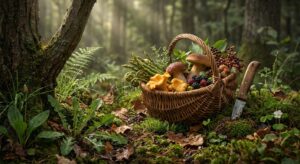
- Basket or Cloth Bag: Allows air circulation, keeping your harvest fresh and preventing bruising, unlike plastic bags.
- Gloves: Protect your hands from thorns, irritating plants (like nettles), and dirt.
- Small Spade or Trowel: Useful for carefully digging up roots without disturbing the surrounding soil too much.
- Sharp Knife or Shears: For clean cuts, ensuring the plant can regenerate efficiently.
- Water Bottle: Stay hydrated during your expedition.
- Bug Spray: Essential for comfort, especially in wooded or damp areas.
Where to Begin Your Foraging Journey: Finding Prime Spots
The quest for wild edibles begins with knowing where to look. While it might seem daunting at first, many prime foraging spots are closer than you think. Understanding the types of environments where specific plants thrive is key to a successful harvest. This section will guide you on how to identify suitable locations, helping you discover the rich bounty that nature has to offer right in your vicinity. When you’re ready to learn how to start foraging for wild edibles and are looking for foraging tips for absolute beginners, considering these locations is a great first step to discovering where to begin foraging. For more guidance, explore BBC Good Food’s beginner’s foraging guide.
Exploring Local Parks and Green Spaces for Wild Edibles
Many urban and suburban areas boast an surprising variety of edible plants within their public parks and green spaces. These areas often feature a mix of cultivated and wild flora, making them accessible starting points for beginners. Always check local regulations regarding foraging in public parks, as some areas may prohibit it. Focus on areas away from high traffic and pet zones to ensure cleanliness.
Discovering Wilderness Areas: Forests, Fields, and Meadows
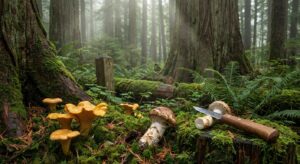
For those seeking a more immersive experience, wilderness areas like forests, open fields, and meadows are abundant with diverse wild edibles. These environments provide natural habitats for a wider range of plants, from mushrooms to berries and leafy greens. When exploring these areas, it’s crucial to stay on marked trails where possible, carry a map or GPS, and be aware of any local wildlife.
Unearthing Treasures in Your Own Backyard
Perhaps the most convenient place to begin your foraging journey is right in your own backyard! Many common “weeds” found in gardens and lawns are not only edible but also highly nutritious. Dandelions, clover, and plantain are just a few examples of plants that might be growing just outside your door. Learning to identify these common backyard edibles can be a fantastic, low-stakes way to practice your identification skills and integrate wild foods into your diet.
Easy-to-Identify Edibles: A Starter List for New Foragers
Embarking on your foraging journey means starting with plants that are common, widespread, and, most importantly, easy to identify without confusion. Building confidence in identification is key to safe foraging. This starter list focuses on a few reliable wild edibles that are often abundant and have few, if any, dangerous look-alikes, making them perfect for new foragers to practice their skills.
Focusing on these common and readily identifiable plants will allow you to gain experience and confidence. Remember to always cross-reference with multiple reliable sources, including a good field guide, before consuming anything you’ve foraged. These first-time foraging plants are excellent choices for those looking to learn to forage for these and begin their foraging for beginners’ guide to edibles. You can also learn about purslane foraging on our site, and find more tips from Nordic life beginner’s foraging tips.
After years of guiding foraging walks, our experience has shown that focusing on common, easily recognizable plants like dandelions and plantain is the best way for beginners to build confidence and knowledge in local wild edibles.
- Dandelion (Taraxacum officinale): All parts are edible. Leaves can be used in salads, flowers for wine, and roots roasted for a coffee substitute. Found almost everywhere.
- Plantain (Plantago major): Both broadleaf and narrowleaf plantain leaves are edible, mild, and nutritious. Great in salads or cooked like spinach. Found in lawns, paths, and disturbed ground.
- Chickweed (Stellaria media): Delicate, mild-flavored greens perfect for salads. Look for small white, star-shaped flowers. Thrives in cool, moist areas.
- Lamb’s Quarters (Chenopodium album): Often called “wild spinach,” its leaves are very nutritious and can be cooked or eaten raw. Grows in disturbed soils, gardens, and fields.
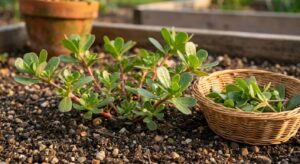
- Purslane (Portulaca oleracea): Succulent leaves and stems with a slightly sour, salty taste. Rich in Omega-3s. Grows in sunny, disturbed areas like gardens and cracks in pavement.
Sustainable Harvesting: Foraging with Respect for Nature
Sustainable harvesting is not just a best practice; it’s a fundamental principle of ethical foraging. It ensures that the ecosystems we rely on remain healthy and productive for generations to come, allowing wild plant populations to thrive. Approaching foraging with respect for nature means understanding our impact and taking steps to minimize disturbance, preserving the delicate balance of the natural world.
Adopting sustainable techniques is a commitment to conservation and a deep appreciation for the environment. Every forager has a role to play in protecting these precious resources. By following these guidelines, you contribute to the longevity of wild edible populations and the health of the habitats they call home. For more information on responsible foraging practices and ethical foraging basics, explore our guides on how to start foraging sustainably. Additionally, you can find a useful resource from Wedu.org’s guide to sustainable foraging.
- Never Over-Harvest: Only take 10-20% of a patch to allow for regeneration and to leave enough for wildlife.
- Harvest Only Healthy Plants: Choose vibrant, disease-free plants to ensure you’re not spreading illness or taking weak specimens.
- Minimize Disturbance: Be mindful of the surrounding area. Avoid trampling other plants or disturbing animal habitats.
- Use Proper Tools: A sharp knife or shears ensures clean cuts, promoting quicker healing and regrowth for the plant.
- Scatter Seeds/Spores: For some plants, gently scattering seeds or spores after harvesting can help propagate the species.
Beyond the Harvest: Preparing and Using Your Foraged Finds
Gathering wild edibles is only half the adventure; transforming them into delicious and nourishing meals completes the experience. Once you’ve safely identified and sustainably harvested your bounty, the next step is to clean, prepare, and cook with your foraged finds. This opens up a world of culinary possibilities, allowing you to integrate unique, seasonal flavors into your diet and truly savor the fruits of your labor.
From simple salads to more elaborate dishes, incorporating wild edibles can elevate your cooking and provide unparalleled freshness. Experimentation is encouraged, but always start with small amounts if trying a new wild food to assess your body’s reaction. Discovering how to prepare and use your harvest is a rewarding culmination of your foraging efforts. To explore more about cooking with wild edibles and using foraged ingredients, delve into our beginner foraging recipes and check out Robin Greenfield’s foraging how-to guide.
- Clean Thoroughly: Rinse all foraged plants under cold water to remove dirt, insects, and any debris.
- Simple Salads: Many wild greens like chickweed, dandelion leaves, and purslane are excellent raw in salads for a fresh, peppery, or tangy kick.
- Sautéed Greens: Treat tougher leaves like lamb’s quarters or larger dandelion leaves as you would spinach or kale – sauté with garlic and olive oil.
- Teas and Infusions: Many herbs like nettle (once blanched) and fireweed can be dried for nourishing teas.
- Pesto: Wild garlic mustard makes a fantastic, zesty pesto.
- Soups and Stews: Hearty roots or robust greens can add depth and nutrition to broths and stews.
Learning Resources: Books, Classes, and Communities
The journey of a forager is one of continuous learning and discovery. While this guide provides a solid starting point, there’s always more to learn about the vast and intricate world of wild edibles. Engaging with additional resources and connecting with experienced foragers can significantly accelerate your learning, deepen your understanding, and provide invaluable local knowledge.
Investing in quality resources and joining a community of like-minded individuals will enrich your foraging experience and help you navigate the complexities of plant identification and sustainable harvesting. These avenues provide opportunities for hands-on learning, expert guidance, and sharing experiences. To find more foraging for beginners resources and discover beginner foraging courses, explore our site to expand your foraging knowledge. For further reading, consider ForageSF’s tips on getting started with foraging.
- Regional Field Guides: Invest in several reputable field guides specific to your geographical area.
- Online Foraging Communities: Join forums or social media groups dedicated to foraging to ask questions and learn from others’ experiences.
- Local Foraging Walks & Workshops: Participate in guided walks led by experienced foragers or ethnobotanists in your area.
- YouTube Channels & Blogs: Follow knowledgeable foragers who share identification tips, recipes, and sustainable practices.
- Botany Courses: Consider taking a basic botany course to improve your plant identification skills fundamentally.
Embrace Your Foraging Journey
Embracing the world of foraging is a commitment to a lifelong journey of learning, discovery, and connection with the natural world. It’s an incredibly rewarding practice that not only enriches your diet with fresh, local, and nutritious foods but also fosters a deeper appreciation for the ecosystems around us. Remember that every walk can become an opportunity for exploration, and every new plant identified is a triumph.
As you continue to refine your skills and expand your knowledge, always keep the core principles of safety, respect, and sustainability at the forefront of your mind. The wild pantry is vast and generous, but it requires mindful stewardship to ensure its abundance for future generations. We encourage you to continue your foraging journey, discover more wild edibles, and explore all of our complete foraging guides available on our site.