Introduction to Mushroom Foraging in British Columbia
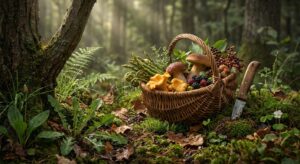
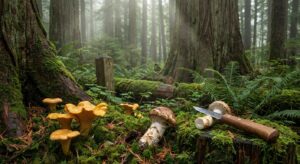
Canada, with its vast and varied landscapes, offers a rich bounty for foragers, and British Columbia stands out as a prime destination for mushroom enthusiasts. This guide from Forageology aims to demystify the exciting world of mushroom foraging in this province, offering a legal context, ethical considerations, and essential safety tips. Whether you’re a seasoned mycophile or just beginning to explore the diverse world of wild edibles, understanding the specific guidelines in place for mushroom foraging regulations in British Columbia is crucial for a sustainable and rewarding experience. Dive into Forageology’s resources to prepare for your next adventure.
Understanding British Columbia’s Mushroom Foraging Landscape
British Columbia’s unique ecosystems provide an ideal habitat for a wide array of fungi, making it a popular spot for mushroom harvesting. Unlike some other natural resources, there isn’t a single, overarching regulatory framework that governs all mushroom foraging across the entire province. This often leads to confusion for both new and experienced foragers, as rules can vary significantly based on land ownership and the intended use of the harvested mushrooms. Navigating the nuances of BC mushroom foraging laws requires an understanding of different land classifications and their associated regulations. For further insight into the Province of British Columbia’s official stance on mushroom picking, it’s beneficial to consult their government resources directly. To learn more about various harvesting opportunities, explore other Canadian foraging guides.
Where Can You Legally Forage for Mushrooms in BC?
Determining where you can legally gather wild mushrooms in British Columbia is a critical first step for any responsible forager. The province’s diverse land classifications mean that rules can vary significantly from one area to another. Understanding these distinctions is key to a lawful and respectful foraging experience. For more information on where and how to pick mushrooms, consult the Vancouver Mycological Society’s guide on where and how to pick mushrooms. The Outdoor Recreation Council of BC’s mushroom foraging advice also provides valuable insights.
Navigating Public and Crown Lands for Mushroom Harvesting
Foraging on Crown land, which makes up over 90% of British Columbia, is generally permitted for personal use without a permit. This includes many provincial forests and wilderness areas, offering vast opportunities for those looking to harvest wild mushrooms. However, it’s essential to recognize that “Crown land” is a broad term, and specific restrictions might apply in certain zones, such as areas under timber harvesting licenses or active resource extraction. Always check for local signage and regulations before you begin, and be aware that rules can change. Learning about wild plant identification can enhance your foraging experience.
Understanding Restrictions on Private Property and Leased Lands
Foraging on private property is strictly prohibited without explicit permission from the landowner. This applies to residential properties, farms, and any land that is privately owned or leased. Trespassing to forage can lead to legal penalties and is a breach of ethical foraging practices. Always seek permission in advance, and if you’re unsure about land ownership, it’s best to err on the side of caution and find an alternative foraging location. Adhering to these guidelines ensures a respectful interaction with property owners and the environment.
Mushroom Foraging in Parks and Protected Areas
National and provincial parks in British Columbia often have specific rules regarding the removal of natural materials, including mushrooms. In most cases, foraging is either prohibited entirely or limited to very small quantities for immediate consumption. These areas are primarily dedicated to conservation and the protection of biodiversity, so harvesting can disturb delicate ecosystems. Always consult the park’s official regulations or speak with a park ranger before foraging in these protected zones. Ignorance of the rules is not a valid defense, and violations can result in fines.
Municipal Parks and Urban Foraging Guidelines
Foraging in municipal parks and urban green spaces within British Columbia can be a grey area, with regulations varying significantly between municipalities. Some cities may permit light foraging for personal use, while others have strict bylaws against removing any plant or fungal material. Furthermore, urban environments often carry a higher risk of contamination from pollutants, making mushrooms found in these areas potentially unsafe to consume. Always research local bylaws and consider potential contamination risks when foraging in urban settings. Foraging safety tips are essential, regardless of location.
Personal Use vs. Commercial Foraging: Key Distinctions
The distinction between foraging for personal use and commercial purposes is significant in British Columbia, with different regulations and expectations for each. While personal foraging for consumption is often more lenient, commercial harvesting typically requires permits, adheres to stricter quotas, and is subject to more rigorous oversight. Understanding these differences is crucial to ensure you are compliant with all Mushroom Picking Regulations BC. The UBC’s advice on safe and legal mushroom foraging emphasizes the importance of knowing these distinctions. When considering safe harvesting practices, remember that even for personal use, knowledge of local rules is paramount.
| Feature | Legality of Mushroom Foraging in BC for Personal Use | Commercial Mushroom Foraging Regulations British Columbia |
|---|---|---|
| Permit Required | Generally not required on most Crown land | Often requires permits, licenses, or tenure |
| Volume/Quantity | Limited to small quantities for personal consumption | Subject to quotas and reporting requirements |
| Land Access | Generally permitted on Crown land (with exceptions) | May require specific leases or agreements for access |
| Sales | Prohibited | Permitted with proper permits and business registration |
| Impact | Minimal, sustainable harvesting encouraged | Managed for sustainable yields, monitored for impact |
Ethical Foraging Practices and ‘Unspoken Rules’ in BC
Ethical foraging extends beyond legal compliance; it encompasses a deep respect for the environment, fellow foragers, and the sustainability of wild mushroom populations. In British Columbia, these ‘unspoken rules’ are vital for preserving the rich fungal diversity that thrives here. A cornerstone of ethical practice is the “take no more than 5%” rule, which suggests leaving the vast majority of mushrooms undisturbed to ensure their reproductive cycle continues and to allow others to enjoy the harvest. This helps maintain healthy ecosystems and ensures future foraging opportunities. By prioritizing responsible wild harvesting, we contribute to preserving natural ecosystems. For additional guidance, consider these Helpful Tips for Vancouver Mushroom Foragers.
- Harvest Sustainably: Never take more than you need, and always leave plenty behind for wildlife and future growth. The 5% rule is a good guideline.
- Minimize Disturbance: Avoid trampling vegetation, disturbing soil unnecessarily, or damaging the mycelial network. Use a knife to cut stems rather than pulling.
- Respect Private Property: Always obtain permission before foraging on private land.
- Know Your Mushrooms: Only pick what you can positively identify. When discussing foraging wild mushrooms BC laws, safety and identification are often intertwined with ethical considerations.
- Leave No Trace: Pack out everything you pack in, including any discarded mushroom parts or litter.
- Educate Yourself: Continuously learn about local ecosystems, regulations, and sustainable practices.
- Share Knowledge Responsibly: Guide new foragers, but always emphasize ethical principles and safety.
Navigating Indigenous Land and Rights in BC Foraging
When foraging in British Columbia, it’s paramount to acknowledge and respect the traditional territories of Indigenous peoples. These lands have been stewarded by First Nations for millennia, and their rights to these territories, including the harvesting of traditional foods and medicines, are protected. Foragers must understand that even on Crown land, Indigenous rights may supersede general public access, and special consideration must be given to cultural sensitivity in foraging. It is a fundamental aspect of understanding land stewardship to recognize and honor these ancestral connections.
“The land and its resources are intrinsically linked to Indigenous identity, culture, and sustenance. Respecting Indigenous harvesting rights and traditional ecological knowledge is not just a legal obligation but a moral imperative for all who interact with these territories.”
This perspective underscores the need for foragers to educate themselves about the Indigenous communities whose lands they are on and to be mindful of any existing protocols or agreements.
Staying Safe and Informed While Foraging in British Columbia
Safety is paramount when foraging for mushrooms in British Columbia. The province is home to a vast array of fungi, some of which are deadly poisonous, making accurate identification absolutely critical. Relying on reliable field guides, joining local mycological societies, and attending workshops are excellent ways to develop robust identification skills. Having observed countless foragers across British Columbia, we’ve learned that consistent education and careful identification are paramount for a safe and rewarding experience. This dedication to learning not only protects you but also contributes to responsible foraging practices for all. For beginners, consulting a Beginner’s Vancouver Mushroom Foraging guide can be highly beneficial. Explore Forageology’s resources on safe mushroom identification and beginner foraging tips to enhance your knowledge and confidence.
Conclusion: Responsible Mushroom Foraging in British Columbia
Mushroom foraging in British Columbia offers an unparalleled connection to nature and a delicious bounty, but it comes with a significant responsibility. Navigating the legal landscape, understanding the distinctions between personal and commercial harvesting, and adhering to ethical practices are all essential for a sustainable and safe experience. By prioritizing legal compliance, respecting Indigenous rights, and committing to continuous learning and careful identification, foragers can ensure they contribute positively to the preservation of BC’s natural heritage. We encourage you to explore more Forageology guides and deepen your foraging knowledge to make every outing a success.