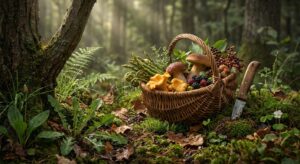
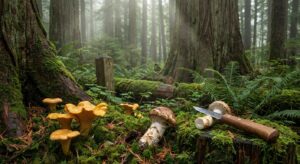
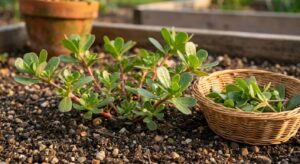
Welcome to North American Wild Edibles
Stepping into your backyard or exploring local fields across North America reveals a world of hidden culinary treasures that most people simply mow over. One of the most rewarding ways to unlock the secrets of wild edibles is by recognizing the abundance of nutrient-dense greens that thrive in disturbed soils and garden edges. Lamb’s Quarters, often dismissed as a mere weed, is actually one of the most versatile and delicious wild vegetables available to the modern forager. By following The Beginner’s Guide to Foraging, you can transform a simple afternoon walk into a productive harvest of “wild spinach.” This guide is designed to help you confidently identify this North American staple, ensuring you can enjoy the bounty of nature safely and sustainably.
What is Lambs Quarters? An Overview
Scientifically known as Chenopodium album, this plant is a member of the Amaranthaceae family and has been a cornerstone of human diets for millennia. According to the botanical history of the species, it is often referred to as Common Lambsquarters, pigweed, or goosefoot due to its unique leaf shape.
Chenopodium album has a rich historical use as a grain and potherb across North America, serving as a staple for various indigenous cultures and early settlers.
Beyond its use as a fresh green, its seeds were historically harvested and ground into flour, much like its close relative, quinoa. Engaging in sustainable foraging for this plant allows you to tap into a deep ecological lineage that spans continents, from the ancient fields of Europe to the diverse landscapes of the United States and Canada. By learning to value this “weed,” you are participating in a long-standing tradition of unlocking the secrets of wild edibles that provided vital nutrition long before the advent of industrial agriculture.
How to Identify Lambs Quarters in the Wild
Successful field identification requires a keen eye for specific physical markers that distinguish this plant from other garden varieties. Across North America, foragers look for a combination of leaf morphology and a very specific tactile sensation on the foliage. Using a field guide for wild spinach or a visual identification guide is highly recommended for those just starting out. When recognizing wild greens in local fields, look for these key physical markers:
- Goosefoot leaf shape: Triangular or diamond-shaped leaves with coarsely toothed edges.
- White mealy powder (farina): A distinctive waxy, dusty coating found especially on the undersides of leaves and new growth.
- Grooved stems: Sturdy, upright stems that often feature purple or reddish streaks at the leaf axils.
Learning how to identify Lambs Quarters is the first step toward a safe harvest, ensuring you don’t confuse it with less desirable plants.
Recognizing the Distinctive Goosefoot Leaf Pattern and Stem Streaks
The most prominent feature when recognizing wild greens is the “goosefoot” shape of the leaves, which are alternate and typically vary in appearance from the bottom of the plant to the top. The lower leaves are usually broader and more noticeably “toothed,” while the upper leaves near the flowering clusters may be narrower and more lance-shaped. A closer look at the stem will often reveal vertical grooves and, quite frequently, bright magenta or purple spots where the leaf stem meets the main stalk. This structural detail, combined with the plant’s upright growth habit, makes how to identify Lambs Quarters much simpler when scanning a crowded garden bed or a patch of disturbed earth.
Understanding the Role of Farina and Waxy Leaf Texture
A critical component of how to identify Lambs Quarters is the presence of farina, a white, mealy powder that gives the leaves a soft, matte appearance. This substance is actually a collection of tiny hairs that repel water, which is why raindrops often bead up and roll off the leaves of Common Lambsquarters. This mealy texture is most concentrated on the newest leaves at the very tip of the plant, often giving them a slightly silvery or bluish-green hue. When you rub the leaf between your fingers, this powder may feel slightly waxy or “dirty,” but it is a natural and safe characteristic of the plant that helps foragers distinguish it from lookalikes like nightshade, which typically has smoother, shinier leaves.
Identifying the Flower Clusters and Seed Development
As the plant matures toward the end of summer, it produces small, green, inconspicuous flower clusters at the top of the stems and in the leaf axils. These flowers do not have petals and eventually turn into small, black, shiny seeds encased in a thin papery hull. While the leaves are the primary focus for those interested in identifying wild greens, recognizing the flowering stage is important for understanding the plant’s life cycle and potential for seed harvesting. Observing these clusters helps confirm you have found the true Chenopodium genus, as the seeding structure is very similar to other edible grains like amaranth.
Lambs Quarters Nutrition Vs Spinach: A Superfood Comparison
When looking at the nutritional profile of common weeds, it becomes clear that Lambs Quarters Nutrition Vs Spinach is a lopsided contest in favor of the wild variety. While garden spinach is a healthy choice, Common Lambsquarters contains significantly higher concentrations of essential minerals and vitamins. Foragers who understand the nutritional benefits of foraging often prioritize this plant because it offers a dense source of calcium and protein that is hard to find in cultivated greens.
| Nutrient | Lambs Quarters (100g) | Garden Spinach (100g) |
|---|---|---|
| Vitamin A | 11,600 IU | 9,377 IU |
| Vitamin C | 80 mg | 28 mg |
| Calcium | 309 mg | 99 mg |
| Protein | 4.2 g | 2.9 g |
| Fiber | 4.0 g | 2.2 g |
By incorporating these foraged greens into your diet, you are accessing a superior level of nourishment compared to store-bought produce. Understanding the nutritional benefits of these wild plants can shift your perspective from seeing them as garden nuisances to viewing them as essential health boosters.
Where to Find Lambsquarters Plant in North America
In our experience foraging across the North American landscape, we’ve found that these hardy greens often thrive in the same local garden beds where you’ve recently tilled the soil, showing up long before your planted crops. The Lambsquarters Plant is a pioneer species, meaning it is one of the first to colonize “disturbed” earth, such as farm edges, construction sites, and backyard vegetable patches. If you are foraging in North America, you will find it grows vigorously from late spring through the first frosts of autumn. Understanding the habitat and growth patterns of this species allows you to locate it almost anywhere human activity has turned the soil. Whether you are in the damp woods of the Pacific Northwest or the fertile plains of the Midwest, keep an eye out for its tell-tale silvery-green foliage.
Harvesting and Safety: Avoiding Toxic Lookalikes
Before you begin your harvest, practicing safe foraging is paramount to ensure the greens you collect are healthy and free from contaminants. Because Common Lambsquarters often grows in human-altered environments, you must be mindful of the soil quality and potential chemical runoff. Always refer to a guide on safety and lookalikes to avoid dangerous mistakes. Follow these essential safety protocols:
- Check for clean soil: Avoid roadsides, industrial areas, or lawns treated with pesticides.
- Verify the white mealy powder: This is a key identifier that differentiates it from toxic lookalikes.
- Confirm leaf shape: Ensure the leaves match the specific “goosefoot” pattern.
- Avoid plants with shiny leaves or berries: This helps you steer clear of Nightshades, which can be toxic.
Adhering to these safe foraging practices ensures a rewarding experience without the risk of illness.
Avoiding Confusion with Black Nightshade and Other Toxic Mimics
One of the most important aspects of safe foraging is distinguishing Common Lambsquarters from Black Nightshade (Solanum nigrum). While they often grow in the same disturbed soils, Nightshade leaves are typically darker, lack the white mealy powder (farina), and produce small white flowers followed by green-to-black berries. By focusing on the mealy texture and the diamond-shaped, toothed leaves of the Lambsquarters, you can safely avoid these toxic mimics. If a plant has shiny leaves or any sign of berry development that doesn’t match the papery seed clusters of Chenopodium, it is best to leave it alone and continue your search elsewhere.
Evaluating Environmental Contaminants and Nitrate Accumulation
Safety in foraging extends beyond simple plant identification; it also involves understanding how the Lambsquarters Plant interacts with its environment. This species is known to be a “dynamic accumulator,” meaning it can pull minerals—and unfortunately, toxins—from the soil. It is also prone to accumulating nitrates if grown in heavily over-fertilized agricultural fields. To ensure your harvest is healthy, avoid areas near old building foundations (where lead might be in the soil) or the edges of conventional farms where nitrogen runoff is high. Choosing plants from your own organic garden or pristine wild areas is the best way to guarantee that the nutritional benefits of foraging are not compromised by environmental pollutants.
Lambs Quarters Recipes Foraged Greens: Kitchen Preparation
Once you have safely harvested your wild spinach, the culinary uses for wild spinach are nearly identical to those of traditional garden greens. Start by washing the leaves in cool water to remove any garden grit; the white powder won’t wash off easily, but it is perfectly edible. Lambs Quarters Recipes Foraged Greens often highlight the plant’s mild, earthy flavor which holds up better under heat than commercial spinach. Whether you are cooking wild edibles for a simple side dish or a complex meal, these greens are incredibly versatile. Try these recipe ideas:
- Garlic sautéed greens: A quick toss in olive oil with minced garlic and a splash of lemon.
- Wild green pesto: Substitute these leaves for basil and mix with pine nuts, parmesan, and oil.
- Hearty soups: Add a handful of chopped leaves to minestrone or potato leek soup during the last few minutes of cooking.
- Green smoothies: Blend raw, young leaves with fruit for a massive nutritional boost.
Start Your Foraging Journey
Embracing the world of wild edibles allows you to reconnect with the natural rhythms of the land while improving your self-sufficiency. Lambsquarters is the perfect entry point for any budding naturalist because it is easy to find, highly nutritious, and simple to prepare. As you start your foraging journey, remember to always harvest with gratitude and respect for the ecosystem, taking only what you need and ensuring the parent population remains healthy. By exploring the wilds of North America, you’ll discover that a wealth of health and flavor is waiting just outside your door.
Frequently Asked Questions About Lambs Quarters
Navigating the nuances of wild greens often brings up questions about preparation and long-term use. Many foragers are curious about the nutritional benefits and safety of consuming these plants on a regular basis. Whether you are identifying wild greens for the first time or looking for ways to preserve your harvest, the following table addresses the most common concerns.
| Question | Answer |
|---|---|
| Is it safe to eat raw? | Yes, in small amounts, though cooking reduces oxalates, making it better for those prone to kidney stones. |
| How do I get rid of the white powder? | It is a natural part of the plant (farina) and does not need to be removed, but washing in cool water is recommended. |
| Can I freeze it for later? | Yes, blanch the leaves briefly in boiling water, then shock in ice water before freezing to preserve color and nutrients. |
| When is the best time to harvest? | The young leaves in spring and early summer are the most tender, but the plant remains edible until it goes to seed. |
| Can I use the seeds? | Yes, the seeds can be harvested in late fall, dried, and used as a gluten-free grain or ground into a nutrient-dense flour. |