Introduction: From Garden Weed to Superfood
For many North American homeowners, the sight of a sprawling, red-stemmed succulent emerging from sidewalk cracks or garden mulch has long been a signal to reach for the weed killer. However, a significant shift in perception is occurring as foragers across the continent rediscover Portulaca oleracea, often referred to by its traditional names like ‘pursley’ or ‘verdolaga.’ At Forage-ology, we believe that understanding the transition of this plant from a common garden nuisance to a nutrient-dense superfood is the first step toward self-sufficiency. This wild succulent is not just a resilient survivor of the summer heat; it is a culinary treasure that has been enjoyed globally for centuries. By following a beginner’s foraging guide, you can begin to appreciate the abundance of wild edibles right in your backyard. Embracing Portulaca oleracea means looking past the “weed” label to see a plant that offers more nutritional value than many cultivated greens, providing a perfect entry point for those interested in the secrets of wild edibles.
Identifying Purslane in North America
Recognizing Common Purslane and Verdolaga in the wild requires a keen eye for specific botanical characteristics that distinguish it from less desirable plants. While it thrives in disturbed soils from the Canadian prairies to the American Southwest, identifying common garden weeds like this one is a skill that ensures both safety and a successful harvest.
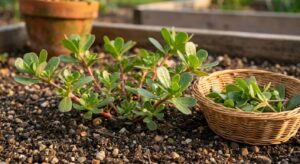
- Stems: Smooth, round, and usually reddish or pinkish in color, growing in a prostrate, sprawling mat.
- Leaves: Small, paddle-shaped, and succulent, lacking any serration on the edges.
- Flowers: Tiny, yellow blossoms with five petals that typically only open in the bright morning sun.
- Growth Habit: Prefers sunny, disturbed areas like garden beds, gravel driveways, and agricultural fields.
By learning to spot Common Purslane early in the season, you can enjoy a continuous harvest of Verdolaga throughout the summer months.
Distinguishing Succulent Purslane from Toxic Spurge Look-alikes
The most critical aspect of identification is distinguishing this edible succulent from its dangerous look-alike, the Spotted Spurge (Euphorbia maculata). While both plants sprawl across the ground in similar habitats, Spurge has thinner, wiry stems and leaves that are not nearly as thick or juicy. The definitive test is to break a stem; Spurge will exude a milky white sap that is a skin irritant and toxic if ingested, whereas the edible variety has clear, watery sap. Always ensure you are looking for the characteristic plumpness of the leaves and the vibrant red hue of the stems before considering a plant for the kitchen.
Seasonal Growth Patterns and Flowering Characteristics
In North America, this plant typically emerges once the soil has warmed significantly, usually in late spring or early summer. It is a thermophilic species, meaning it loves the heat and will often remain vibrant even during droughts that cause other garden plants to wither. The flowers are remarkably fleeting, often appearing for only a few hours during sunny mornings before closing. These small yellow blooms are a helpful secondary identifier, confirming that the plant is indeed a member of the Portulacaceae family rather than a different ground-covering species.
Preferred Habitats and Soil Conditions Across the Continent
Whether you are in the humid Southeast or the arid West, you are likely to find this plant in any area where the soil has been recently turned or disturbed. It has a particular affinity for nitrogen-rich garden beds, making it a frequent companion to tomatoes and peppers. Because it can store water in its leaves and stems, it also colonizes cracks in pavement and sandy areas where other vegetation struggles to take root. Understanding these preferred habitats allows foragers to narrow their search to the most productive areas while avoiding sites that may have been treated with herbicides or exposed to heavy road runoff.
Nutritional Powerhouse: Omega-3s and Health Benefits
Beyond its refreshing crunch, the primary draw of this plant is its extraordinary nutritional profile of wild greens. It is a rare botanical source of high-quality fatty acids, making Purslane Omega 3 Fatty Acids Content a major topic in scientific studies on nutritional content.
Purslane contains more omega-3 fatty acids (alpha-linolenic acid in particular) than any other leafy vegetable plant.
| Nutrient | Benefit |
|---|---|
| Alpha-linolenic Acid (Omega-3) | Supports cardiovascular health and reduces inflammation. |
| Vitamin A (Beta-carotene) | Essential for vision health and immune function. |
| Vitamin C | Potent antioxidant that aids in tissue repair. |
| Magnesium & Potassium | Critical minerals for heart rhythm and muscle function. |
Exploring Purslane Health Benefits and Side Effects reveals that it is also rich in antioxidants like alpha-tocopherol and glutathione, which protect cells from oxidative stress. However, like spinach, it does contain oxalates, so individuals prone to kidney stones should consume it in moderation.
How to Safely Forage and Harvest
Harvesting this wild succulent requires a mindful approach to ensure that the patches remain productive throughout the growing season. Whether you are searching for Little Hogweed in the cool Great Lakes region or gathering Pursley in the sandy soils of coastal Florida, following sustainable harvesting and management practices is essential.
- Identify a healthy, clean patch away from roadsides or sprayed lawns.
- Use clean scissors or a sharp knife to snip the top 2-3 inches of the stems.
- Leave at least half of the plant intact, ensuring the bottom leaves remain to facilitate regrowth.
- Harvest in the early morning for the best flavor and highest moisture content.
- Shake the cuttings gently to remove any hidden insects or loose soil before placing them in your basket.
In the Great Lakes, the peak season is mid-summer, while in Florida, it may be available nearly year-round in certain microclimates.
Ethical Foraging Practices in Residential and Wild Areas
When gathering food from the landscape, it is vital to respect both the environment and local property laws. In residential areas, always ensure you have permission to forage and verify that no chemical fertilizers or pesticides have been applied to the soil. In wilder settings, avoid over-harvesting from a single patch; a good rule of thumb is to never take more than 10% of a colony. This ensures that the plant can continue to set seed and provide a food source for local pollinators and wildlife, maintaining the ecological balance of the area.
Regional Timing and Environmental Considerations
The flavor profile of this plant can actually change depending on the time of day and the local climate. In hotter, drier regions like the American Southwest, the leaves may accumulate more malic acid overnight, giving them a sharper, more lemony tang if harvested at dawn. As the day progresses and the sun hits the leaves, this acid is converted into glucose, making the flavor milder. Understanding these regional and daily fluctuations allows a forager to “tune” their harvest to their specific culinary preferences.
Post-Harvest Handling and Cleaning for Maximum Freshness
Once you have gathered your greens, proper handling is key to preserving their succulent texture. Unlike delicate lettuce, these stems are quite hardy, but they should still be kept cool and out of direct sunlight. Wash the stems thoroughly in a bowl of cold water to remove any grit, as the prostrate growth habit often leads to soil splashing onto the leaves during rain. After drying, they can be stored in a breathable bag in the refrigerator for up to a week, though they are best enjoyed as close to the harvest time as possible to retain their high vitamin content.
Cultivating Purslane: From Seeds to Harvest
For those who want a reliable supply without the hunt, cultivating wild greens in garden beds is an excellent option that follows simple growing guidelines for home gardeners. Learning How to Grow Purslane from Seeds allows you to control the soil quality and ensure a pesticide-free crop.
- Sow seeds in a sunny location once the danger of frost has passed.
- Lightly press the tiny seeds into the soil surface; they require light to germinate.
- Water sparingly, as the plant is drought-tolerant and prone to root rot in soggy soil.
- Thin the seedlings to about 6 inches apart to allow for their sprawling growth habit.
- Harvest regularly to encourage the plant to branch out and produce more tender tips.
By intentionally planting this “weed,” you turn a garden challenge into a productive and low-maintenance food source.
Conclusion: Embracing the Wild Succulent
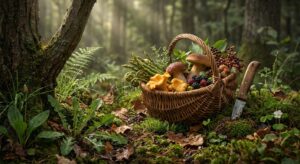
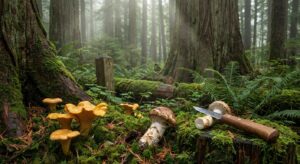
Embracing this wild succulent is a rewarding step toward deepening your connection with the North American landscape. Whether you are already familiar with mushroom foraging in Canada or are just starting your journey with backyard greens, the versatility of this plant makes it an essential addition to any forager’s repertoire. From the maritime provinces to the sun-drenched valleys of California, this resilient edible offers a unique blend of nutrition and flavor that bridges the gap between gardening and wild harvesting. By practicing safe identification and regional ethics, you can transform your view of the natural world, seeing every “weed” as a potential opportunity for health and self-sufficiency.
Frequently Asked Questions About Purslane
While foraging is an ancient practice, modern enthusiasts often have specific questions about safety and preparation. The following table provides quick answers to common queries to help you navigate your first harvest with confidence.
| Question | Answer |
|---|---|
| Is Purslane edible in North America? | Yes, it is a widely recognized edible green across the continent. |
| How can I distinguish it from poisonous Spurge? | Look for the thick, succulent stems of Purslane and the absence of milky white sap found in Spurge. |
| Can you eat Purslane raw? | Yes, the leaves and stems are crunchy and refreshing when eaten raw. |
| What does it taste like? | It has a slightly tart, lemony, and peppery flavor profile. |
For more detailed information on local regulations and species, consider checking out our guide on mushroom foraging in Canada or our deep dive into sustainable foraging. Always remember that the key to a safe experience is 100% positive identification and a respect for the environments where these plants thrive.