Welcome to North American Winter Foraging
While many believe the harvest season ends with the first frost, North American foragers know that winter and early spring offer unique treasures like common chickweed. This hardy green thrives when other plants remain dormant, providing a fresh source of nutrients across regional ecosystems from the damp Pacific Northwest to the Atlantic coast. Embracing the cold-weather hunt for Common Chickweed allows you to maintain a deep connection to nature year-round, transforming a simple walk into a rewarding search for wild edibles. By following a Safe, Sustainable Foraging practice, beginners can safely navigate the landscape to find these vibrant patches of green peeking through the snow or leaf litter. Understanding the timing and habitat of these plants is a foundational skill for anyone interested in mushroom foraging or general wildcrafting. As you join the growing community of winter gatherers, you’ll find that chickweed is not just a weed, but a staple of the foraging for beginners journey.
Understanding the Stellaria Genus: Botany and Varieties
Scientifically classified as Stellaria media, this plant is a prominent member of the carnation family (Caryophyllaceae), sharing traits with many garden favorites. The name “Stellaria” is derived from the Latin word for “star,” perfectly describing its small, white, star-shaped flowers that bloom even in mild winter conditions. One of the most fascinating aspects of Stellaria Media is its evolutionary adaptation; it is a hardy annual that has naturalized across North America, often referred to by folk names like Chickenwort or winterweed. Botanists and foragers alike look for specific physical markers to differentiate it from its relatives, such as the water chickweed or mouse-ear varieties. This genus is characterized by its resilience and ability to colonize disturbed soils, making it an accessible entry point for those learning how to identify common chickweed.
Stellaria media is a member of the carnation family (Caryophyllaceae) and is known for its unique line of hairs on the stem.
How to Identify Common Chickweed in the Wild
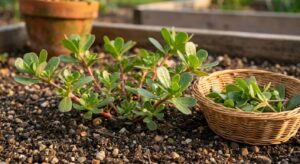
Correct identification is the most critical step for any forager to ensure safety and success in the field. Common chickweed has several distinct botanical features that, when viewed together, make it unmistakable even to the novice eye. It typically grows in lush, low-spreading mats in garden beds, along forest edges, or in nitrogen-rich soil. To be certain of your find, you must examine the plant closely, looking for the star-like flowers and the specific arrangement of the foliage. Learning How to Identify Common Chickweed involves a tactile approach, checking for the “moist” feel of the leaves and the unique stem architecture. This process is similar to the precision required in mushroom picking to avoid toxic look-alikes. Once you recognize its vibrant green hue and delicate white petals, you will begin to see Birdweed everywhere you go.
- Opposite Leaf Arrangement: Leaves grow in pairs directly across from one another along the stem.
- Single Line of Hairs: A singular, distinctive line of fine hairs runs along one side of the stem, shifting position at each leaf node.
- Star-Shaped Flowers: Small white flowers feature five petals that are so deeply lobed they appear to be ten.
- Ovoid Leaves: The leaves are smooth, oval-shaped, and often come to a slight point at the tip.
- Seed Capsules: Flowers quickly transition into small, egg-shaped capsules containing tiny reddish-brown seeds.
Identifying the Unique Stem Hair Pattern and Leaf Structure
The most definitive way to identify Stellaria media is to look for the “moist” stems and the singular line of hairs. Unlike the mouse-ear chickweed, which is fuzzy all over, common chickweed only has hairs running in a single row down the stem. This line of hairs acts like a tiny aqueduct, funneling dew and rainwater down to the roots. The leaves are typically bright green and succulent, lacking the heavy serrations found on many other winter weeds. When you find a plant that fits this description, you can be confident you are looking at one of the best foraged mushrooms alternatives for a winter salad.
Recognizing the Star-Shaped Flowers and Deeply Lobed Petals
The flowers of chickweed are small but structurally complex, serving as a secondary confirmation for identification. Each of the five white petals is split nearly to the base, which frequently confuses beginners into thinking the flower has ten petals. These blooms are highly sensitive to the weather, often closing up before a rainstorm or during the night. Seeing these stars in the middle of February is a classic sign of a healthy ecosystem. For those who enjoy foraging mushrooms, these floral markers are as important as spore prints are for fungi.
Distinguishing Chickweed from Toxic Look-Alikes like Scarlet Pimpernel
While chickweed is generally safe, it is vital to distinguish it from the Scarlet Pimpernel (Anagallis arvensis), which can be toxic in large amounts. The easiest way to tell them apart is by the flowers; Scarlet Pimpernel usually has salmon or blue flowers, whereas chickweed is always white. Additionally, Scarlet Pimpernel lacks the single line of hairs on the stem. Always cross-reference your finds with a field guide to ensure your mushroom forager instincts are applied correctly to plants as well.
Is Chickweed Edible for Humans? Harvesting and Prep
Chickweed is highly prized for its mild, “corn-silk” flavor and tender texture, making it an excellent addition to raw salads or pesto. To ensure a high-quality harvest, it is best to use scissors to snip the top two to three inches of the plant, leaving the tougher, more fibrous lower stems behind. After foraging for wild edibles across North America for over a decade, we’ve found that the most tender stems appear just after the first thaw in the Pacific Northwest and the East Coast. Once harvested, the greens should be washed thoroughly in cold water to remove any garden grit or soil. Because chickweed wilts quickly, it is best eaten fresh or stored in a damp paper bag in the refrigerator for no more than two days. This careful handling is a hallmark of Is Chickweed Edible for Humans best practices, much like the delicate care given during Mushroom Foraging.
- Locate a clean patch of chickweed away from roadsides or pesticide-treated lawns.
- Use clean garden snips to harvest the tender tips of the plant.
- Shake the greens gently to dislodge any insects or loose debris.
- Submerge the harvest in a bowl of cool water, swishing gently to remove grit.
- Spin dry or pat with a towel before incorporating into your favorite Ready for Your Wild Harvest recipe.
Health and Wellness: Chickweed Benefits for Skin and Nutrition
Beyond its culinary uses, chickweed is a powerhouse of vitamins and minerals that support both internal health and external skin care. In traditional herbalism, it has been used as a cooling poultice for minor irritations, and modern nutritional profiles confirm it is rich in antioxidants. Many foragers find that Chickweed Benefits for Skin are comparable to high-end botanical treatments, especially when infused into oils or salves. Incorporating these Chickweeds into your diet provides a natural boost during the winter months when fresh, local produce is scarce. Just as mushroom picking provides unique beta-glucans, chickweed offers a spectrum of nutrients that are often missing from store-bought greens.
| Nutrient | Benefit |
|---|---|
| Vitamin A | Supports vision and immune health |
| Vitamin D | Essential for bone health and mood |
| Vitamin B | Aids energy metabolism |
| Vitamin C | Potent antioxidant for skin and immunity |
| Saponins | May assist in nutrient absorption |
| Potassium | Supports heart health and fluid balance |
Embracing the Winter Harvest
There is a profound sense of accomplishment in finding your own food when the world seems frozen and dormant. Chickweed serves as a bridge between the seasons, reminding us that nature’s pantry is never truly empty if you know where to look. We encourage everyone to step out into their local backyards or community spaces and look for these resilient greens. This Guide to Wild Edibles is just the beginning of a lifelong journey of discovery. By joining Our Forage-ology Community, you can share your finds, learn from experts, and deepen your understanding of the foraging in canada landscape. Let the winter harvest be your gateway to a more self-sufficient and connected lifestyle.
Common Chickweed Questions
Navigating the world of wild greens often brings up specific questions regarding safety and timing. While chickweed is a friendly plant for beginners, understanding the nuances of its growth cycle and potential look-alikes ensures a worry-free experience. If you are ever in doubt, remember to err on the side of caution and consult a professional. Whether you are foraging for mushrooms or searching for the perfect salad green, the same rules of 100% identification apply. Below are the most common queries we receive from our community.
| Question | Answer |
|---|---|
| Are there any toxic look-alikes? | Yes, Scarlet Pimpernel is a look-alike, but it lacks the single line of stem hairs and usually has non-white flowers. |
| What is the best time of year to harvest? | The best time is late winter through early spring, or any time the weather is cool and moist. |
| Can it be eaten raw? | Absolutely! It is most commonly enjoyed raw in salads, pestos, or as a garnish. |
| Does it grow in the shade? | Yes, chickweed prefers moist, shaded, or partially shaded areas with rich soil. |
| Is it safe for pets? | While generally safe for poultry (hence the name), it should be given to other pets in moderation due to saponins. |