Introduction: The History of the White Man’s Footprint
Stepping into the world of wildcrafting often begins with the humble realization that some of our most potent resources are right under our boots. In the vast regional ecosystems of North America, few species carry as much historical weight as the resilient Plantago. Early European settlers inadvertently carried its seeds across the Atlantic, where the plant thrived so vigorously in compacted soils along new trails that many Indigenous cultures began calling it the “White Man’s Footprint.” This hardy perennial became a symbol of the shifting landscape, yet it quickly integrated into local knowledge as a vital component of Wild Edibles and self-sufficiency. For those interested in Foraging In Canada, this history serves as a reminder that even common garden “weeds” are deeply entwined with our heritage. By following a Beginner’s Guide To Foraging, you can learn to appreciate how this persistent survivor bridged the gap between old-world tradition and new-world survival.
Identifying Broadleaf and Narrowleaf Plantain in the Wild
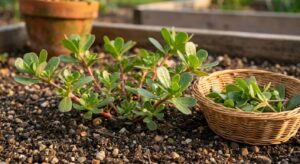
To successfully locate these nutrient-dense wild greens, one must look for the distinct parallel venation that characterizes their foliage. Unlike many other Broadleaf Weeds that feature branching veins, these species possess thick, elastic ribs running from the base of the leaf to the tip. This unique ribbing is a primary identifier for North American varieties, allowing foragers to distinguish them from look-alikes. Whether you are searching for Plantains in a backyard or looking for Green Plantains in a more diverse ecological setting, understanding the low-growing rosette structure and the leafless seed stalks is essential for a safe harvest.
Recognizing the Robust Features of Broadleaf Plantago Major
The Plantago major, or Broadleaf variety, is easily identified by its wide, oval leaves that grow in a tight rosette close to the ground. These leaves are typically smooth or slightly hairy and feature five to seven prominent parallel veins that feel like strings when the leaf is snapped. During the summer months, the plant sends up a long, cylindrical seed spike that resembles a miniature corn cob, covered in tiny greenish-brown flowers. This structure is a hallmark of the species and is frequently documented in Wild Herb Identification resources.
Distinguishing the Slender Profile of Narrowleaf Plantago Lanceolata
In contrast to its broader cousin, the Narrowleaf variety (Plantago lanceolata) features elongated, lance-shaped leaves that are significantly more slender and often stand more upright. The parallel ribbing is still present, usually with three to five veins, but the seed head is much shorter and perched at the very tip of a long, wiry stalk. This “topped” appearance makes it stand out among other meadow grasses. Foragers often categorize these as essential Edible Plants because they are easy to spot once you recognize the unique bobbing seed heads in the wind.
Assessing the Lifecycle and Habitat of North American Wild Greens
Both varieties are remarkably adaptable, thriving in “disturbed” soils such as lawns, cracks in sidewalks, and forest edges where the ground has been compacted. They are perennials, meaning they return year after year from a hardy taproot, often being among the first greens to emerge in early spring. This resilience is why they are featured so prominently in Foraging Guides. Understanding their lifecycle—from the tender spring leaves to the late-autumn seed dispersal—is key to ensuring you are harvesting at the peak of the plant’s nutritional and medicinal potency.
The Forager’s Guide: Harvesting Plantain Safely
During our years of leading foraging workshops in the Tampa Bay area, we’ve found that the most vibrant leaves often hide near organic garden borders rather than high-traffic trails. This observation is critical because wild herbs are highly efficient at absorbing minerals from the soil, which unfortunately includes heavy metals or chemical runoff from roads and treated lawns. When seeking out this Plantain Vegetable, always prioritize areas far from industrial zones or sprayed parklands to ensure your harvest is pure. If you are also learning How To Cook Plantains of the tropical variety, you will notice the harvesting process for the wild herb is much more focused on individual leaf selection and environmental cleanliness to avoid contamination.
Distinguishing Wild Plantain from Tropical Plantains
One of the most common hurdles for new foragers is the nomenclature overlap between the wild North American herb and the starchy tropical fruit found in the produce aisle. While they share a name, they belong to entirely different botanical families; the wild herb is a member of the Plantaginaceae family, whereas the Plantain Fruit is a member of the Musaceae (banana) family. The Plantain Banana requires a tropical climate to produce its large, starchy fruit, which is almost always consumed as Cooking Bananas rather than raw. To help clarify these differences, refer to the following comparison:
| Feature | Wild Plantain (Herb) | Tropical Plantain (Fruit) |
|---|---|---|
| Type | Low-growing leafy herb | Large tropical fruit (starchy banana) |
| Usage | Medicinal poultices/greens | Cooking starch/frying |
| Habitat | Lawns and fields across North America | Tropical climates |
| Scientific Name | Plantago spp. | Musa paradisiaca |
| Edible Part | Leaves and seeds | Fleshy fruit |
Medicinal Benefits: A Natural First-Aid Kit
The wild herb is often celebrated as “nature’s bandage” due to its incredible ability to soothe skin irritations and promote healing. Modern herbalism recognizes the leaves for their high concentrations of aucubin and allantoin, compounds that provide antimicrobial and anti-inflammatory support. Many foragers keep a few leaves handy during hikes to create a “spit poultice” for immediate relief from bee stings or nettle rashes.
Plantain was historically referred to by some indigenous North American cultures as ‘life medicine’ due to its ability to draw out toxins from stings and bites.
This traditional use aligns with contemporary Health Benefits Of Plantains research, which highlights the plant’s effectiveness in drawing out foreign debris from the skin. Whether used as a fresh topical application or infused into a salve, this wild resource remains a staple in the natural first-aid kit.
Culinary Uses for Wild and Tropical Plantains
While the tropical variety is a staple starch in many global cuisines, the wild herb offers a more delicate, earthy flavor profile suitable for salads and teas. Young, tender leaves harvested in the spring are best for raw consumption, as they lack the fibrous strings found in more mature specimens. If you find the leaves too tough, they can be sautéed similarly to a Plantain Vegetable or dried for a nutrient-dense infusion. For those accustomed to the heavy texture of Cooking Bananas, the wild herb provides a light, chlorophyll-rich alternative. To prepare a simple tonic, follow these steps:
- Harvest 1 cup of fresh, clean wild leaves.
- Roughly chop the leaves to release the beneficial compounds.
- Place in a heat-proof jar and cover with boiling water.
- Steep for 10-15 minutes before straining.
- Drink warm or chilled as a digestive aid.
Preparing Raw Wild Greens for Seasonal Salads
To enjoy wild leaves raw, focus exclusively on the smallest leaves found at the center of the plant’s rosette. These young greens have a slightly nutty, mushroom-like flavor that pairs well with acidic dressings. Many foragers include them in a mix of other Wild Edibles like dandelion or chickweed to create a diverse nutrient profile. Always wash the leaves thoroughly in cool water to remove any grit or soil before serving.
Sautéing Mature Leaves for a Hearty Side Dish
As the season progresses and the leaves become more fibrous, sautéing becomes the preferred preparation method. Heating the leaves breaks down the tough parallel veins and mellows the bitter notes that can develop in older plants. Similar to how one might prepare kale, a quick toss in olive oil with a bit of garlic and salt transforms these “weeds” into a sophisticated side dish. This method is a great way to introduce the Beginner’s Guide To Foraging concepts into your kitchen.
Utilizing Wild Seeds as a Nutritional Supplement
In late summer, the seed stalks offer a secondary harvest that is often overlooked. The tiny seeds are rich in fiber—closely related to the psyllium husks found in health stores—and can be stripped from the stalk and added to crackers, breads, or smoothies. They provide a subtle crunch and a boost of digestive support. Incorporating these seeds into your diet is a testament to the versatility found in Safe Wild Harvesting practices.
Conclusion: The Value of Plantain in Local Ecosystems
Embracing the presence of Plantago in our landscapes is a significant step toward ecological literacy and personal resilience. These plants do more than just provide food and medicine; they stabilize soil, provide forage for local wildlife, and offer a constant, accessible connection to the natural world. By Starting Your Foraging Journey with such a common and recognizable species, you build the confidence needed for more complex botanical explorations. Remember that Safe Wild Harvesting always begins with respect for the land and a commitment to sustainable practices, ensuring these “footprints” remain for generations to come.
Frequently Asked Questions About Foraging Plantain
Navigating the world of wild herbs often leads to a few common points of confusion, particularly regarding the different species that share the same common name. It is vital for foragers to remain authoritative and cautious, ensuring that every plant is identified with total certainty before use. The following table addresses the most frequent inquiries to help you stay safe and informed.
| Question | Answer |
|---|---|
| Is wild plantain the same as the fruit in grocery stores? | No, the wild herb (Plantago) is a leafy green, while grocery store plantains (Musa) are starchy tropical fruits related to bananas. |
| Can you eat plantain leaves raw? | Yes, young leaves are edible raw and are best when harvested before the plant flowers; older leaves become fibrous and are better cooked. |
| Where is the best place to find wild plantain? | Look for it in sun-exposed areas with compacted soil, such as garden edges, lawn perimeters, and along footpath borders. |
| Are there any toxic look-alikes for wild plantain? | While fairly unique, beginners should always check Foraging Guides to ensure they aren’t picking Lily of the Valley, which is toxic. |
| How do I use it for a bee sting? | Chew a clean leaf to make a paste and apply it directly to the sting; it helps draw out the venom and reduces swelling. |
For more detailed information on plant identification, visit our resources on Wild Herb Identification and Edible Plants.