Introduction to the Edible North American Landscape
Stepping into the wild landscapes of North America reveals a world of abundance that extends far beyond the supermarket aisles. Whether you are wandering through the temperate rainforests of the West Coast or the rolling meadows of the Midwest, the continent offers a rich tapestry of wild edibles waiting to be discovered. This journey into self-sufficiency begins with mastering Foraging Basics and understanding the rhythmic cycles of the local flora. By following our beginner’s guide, you can transform a simple hike into an educational adventure, connecting deeply with the land while harvesting nutritious greens and flowers. Beyond the well-known world of fungi, the vast Flora of Canada and the United States provide an accessible entry point for anyone eager to learn how to start foraging. Embracing this lifestyle means more than just finding food; it is about cultivating an awareness of the seasonal shifts and the hidden treasures found in your own backyard or local wilderness.
Safety First: Rules for Identifying Wild Edibles
The most critical rule in your foraging journey is the “100% certainty” rule: never consume any plant unless you have identified it with absolute precision. In the diverse regional ecosystems of North America, many edible plants have toxic look-alikes, making it essential to develop safe harvesting practices. Beginners should focus on Wild Food Foraging For Beginners by cross-referencing multiple reliable sources, such as regional field guides and expert-led workshops. It is also vital to consider the environment where you harvest; plants near busy roads or industrial sites can absorb harmful pollutants. To ensure a safe experience, always follow these core safety protocols:
- Cross-reference every plant with at least three independent, reliable identification sources.
- Avoid harvesting from areas treated with pesticides, herbicides, or those near heavy roadside pollution.
- Only take what you can positively identify, and start by tasting only a small amount of any new edible.
- Consult an essential foraging safety guide to understand common toxic look-alikes in your specific province or state.
Getting Started: Essential Gear and Knowledge
Embarking on a successful foraging trip requires more than just a keen eye; you must equip yourself with the right essential wild food gear and foundational knowledge. Before heading out, it is important to invest in the Best Foraging Books For Beginners to help navigate the complexities of local botany. Understanding how to start foraging involves a mix of physical preparation and legal due diligence. To begin your journey effectively, follow this checklist:
- Research local flora: Spend time studying the plants native to your specific ecoregion before your first outing.
- Secure permission: Always ensure you have legal access to the land, whether it is private property or public crown land.
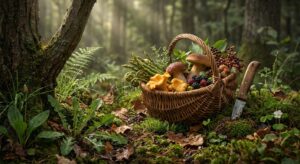
- Pack your harvest basket: Use breathable containers like mesh bags or woven baskets to keep your finds fresh and allow for seed or spore dispersal.
- Learn the foraging skill set basics to ensure you are harvesting in a way that respects the ecosystem and local regulations.
5 Easy-to-Identify Wild Plants in North America
Starting your journey by identifying local flora that is common and distinctive is the best way to build confidence. Plants like the ubiquitous Dandelion or the hardy Lamb’s Quarters are excellent “gateway” species for Foraging For Beginners In The Woods or even urban environments. These species are often found in disturbed soils and gardens, making them accessible to those just beginning to explore common wild plants to find.
| Plant | Identifying Feature | Common Habitat |
|---|---|---|
| Dandelion | Toothed leaves, yellow sunburst flower | Lawns, meadows |
| Chickweed | Small white star flowers, fine hair line on stem | Moist, shaded soil |
| Wood Sorrel | Heart-shaped leaflets, sour taste | Woodlands, gardens |
| Purslane | Succulent red stems, fleshy leaves | Disturbed soil, cracks |
| Lamb’s Quarters | Dusty white coating on leaf undersides | Gardens, roadsides |
Identifying Dandelions: The Ultimate Beginner’s Edible Wild Plant
The Dandelion is perhaps the most recognizable wild plant in North America, yet many overlook its incredible nutritional value. Every part of the plant is edible, from the vitamin-rich leaves that are best picked in early spring to the bright yellow flowers that can be fried into fritters. When identifying dandelions, look for the deeply toothed leaves—which give the plant its name (from the French dent de lion)—and the hollow, milky stem. They are found almost everywhere, but for the best flavor, seek out plants growing in rich, moist soil away from high-traffic footpaths.
Foraging Chickweed: Finding Delicate Star-Shaped Wild Greens
Chickweed is a prized find for new foragers due to its mild, spinach-like flavor and tender texture. This low-growing herb is best identified by its small, white, star-shaped flowers and a unique line of fine hairs that runs up only one side of the stem, switching sides at each leaf node. It thrives in cool, moist, and shaded areas, often appearing in garden beds or along the edges of woodlands. Because it is so delicate, it is best enjoyed fresh in salads or as a garnish, providing a burst of vitamins during the spring and autumn months.
Discovering Wood Sorrel: Heart-Shaped Leaves with a Zesty Punch
Often mistaken for clover, Wood Sorrel is easily distinguished by its three perfectly heart-shaped leaflets and its refreshing, lemony tang. Unlike clover, which has oval leaves, Wood Sorrel’s unique leaf shape and its five-petaled yellow or white flowers make it a standout in shaded gardens and forest floors. The sour taste comes from oxalic acid, which makes it a fantastic seasoning for fish or a zesty addition to a wild green salad. It is a hardy plant that can be found throughout the summer, offering a reliable snack for those exploring the woods.
Harvesting Purslane: The Nutritious Succulent of Disturbed Soils
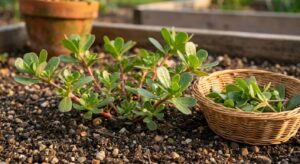
Purslane is a remarkable wild edible that often grows in the very places people try to clear—cracks in sidewalks, garden paths, and disturbed agricultural fields. This succulent plant features thick, fleshy leaves and reddish stems that sprawl along the ground. It is exceptionally high in Omega-3 fatty acids and has a slightly salty, mucilaginous quality that works well as a thickener in soups or as a crisp addition to tacos. Its ability to thrive in poor soil and hot weather makes it a resilient and easy-to-find summer staple for any North American forager.
Identifying Lamb’s Quarters: The Wild Spinach of North American Meadows
Lamb’s Quarters, also known as wild spinach, is a nutritional powerhouse that outshines many cultivated greens. The most distinctive feature for identification is the “mealy” or dusty white coating found on the undersides of its goosefoot-shaped leaves. This plant can grow quite tall in nutrient-rich disturbed soils, such as the edges of farm fields or backyard compost piles. The leaves have a mild, earthy flavor and can be used exactly like spinach—steamed, sautéed, or eaten raw when young. It is one of the most abundant wild foods available across the continent from late spring through fall.
Sustainable Harvesting: Protecting the Flora of Canada and the US
Ethical gathering is the cornerstone of a responsible foraging practice, ensuring that our natural spaces remain vibrant for future generations. While exploring various regional ecosystems across the Flora of Canada and the northern US, we’ve found that leaving at least two-thirds of a plant colony ensures the patch remains productive for years to come. This practice of sustainable foraging habits involves more than just limiting your harvest; it requires a mindful approach to how to start foraging for wild food by avoiding the harvest of rare or endangered species.
The Flora of Canada is incredibly diverse, containing thousands of vascular plant species ranging from arctic-alpine flora to temperate rainforest giants.
Where to Look: Best Habitats for New Foragers
Finding local foraging spots is often easier than beginners expect, as many of the best wild foods thrive at the “edges” of ecosystems. The transition zones between forests and meadows, known as ecotones, are hotspots for biodiversity where you can find a variety of where to find wild edibles. Backyard gardens, abandoned lots, and community forests are also excellent places for finding wild food in your area. By following a Beginner’s Guide To Foraging, you can learn to recognize these productive habitats and start your collection in accessible, familiar environments.
Conclusion: Your Wild Harvest Journey
Embarking on a wild harvest journey is a lifelong process of learning and discovery that rewards curiosity and patience. As you become comfortable identifying these five basic plants, you may find yourself expanding your skills to mushrooms and other complex fungi found in the Canadian wilds. The key to success is to start small, stay consistent, and always prioritize the health of the environment. By embracing a foraging lifestyle, you gain more than just free food; you develop a profound sense of place and a deeper appreciation for the seasonal rhythms of the North American landscape.
Frequently Asked Questions
Understanding the logistical side of foraging is just as important as identification when you are starting out. Foraging for Beginners requires an awareness of both the biological timing of plants and the legal frameworks governing land use.
| Question | Answer |
|---|---|
| Is it legal to forage in public parks in North America? | Regulations vary by city and state; always check local bylaws as many municipal parks prohibit removal of plant material. |
| What is the best time of year to start wild food foraging? | Spring is ideal for tender greens, while late summer and autumn are best for fruits, nuts, and seeds. |
| Do I need a permit for personal foraging? | Generally, small-scale personal use does not require a permit on crown land, but commercial harvesting always does. |
For more detailed information, you can explore specific foraging rules and regulations or check out our other related topic pages to deepen your expertise.